
Summer may have made you fall in love with Cape Cod. But it doesn’t have to be the only season that makes you want to stay.
For homeowners considering home additions on Cape Cod, there is an intriguing possibility: creating a home that makes every season on the Cape feel like the season you came for.
Autumn brings crisp mornings and brilliant color. Winter quiets the landscape and draws attention toward warmth, texture, and the view beyond the windows. Spring changes the light almost daily before summer eventually opens the doors again.
What if an addition could make the house every bit as inviting in January as it is in July?
The answer might be a sun-filled sitting room, an expanded kitchen with a fireside nook, a primary suite designed as a private retreat, or a four-season room positioned to capture a favorite view.
The goal is more interesting than simply creating additional square footage.
It is creating more reasons to linger.
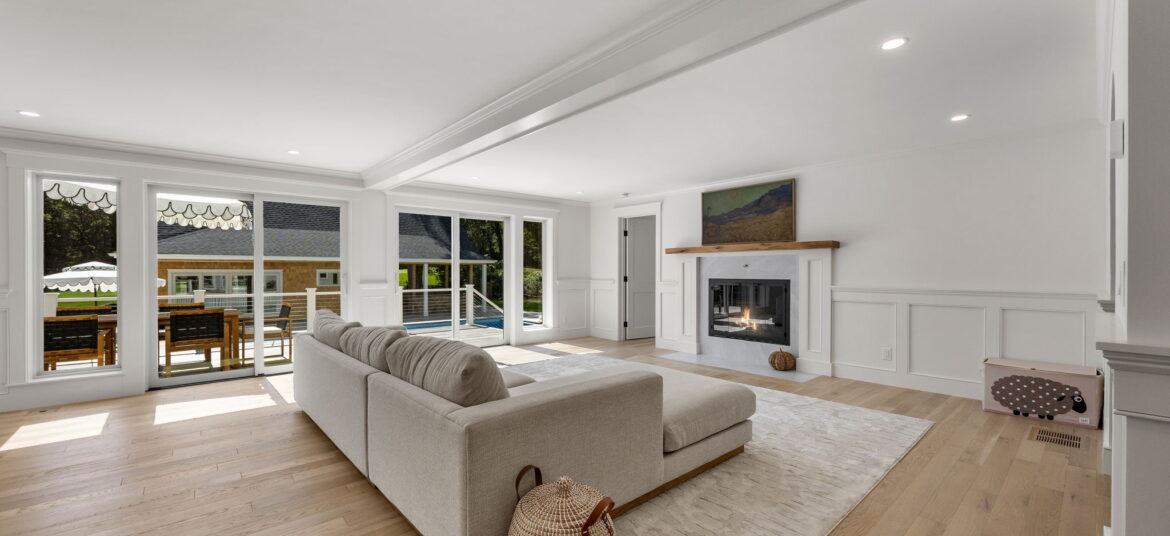
Fall on Cape Cod has its own personality.
The pace changes. The light softens. Landscapes that provided a green backdrop throughout summer begin to reveal warmer tones and greater depth.
It is an ideal season for rooms designed around the view.
A glass-filled sitting room can extend toward the landscape. A library addition can place a favorite chair beside a beautifully proportioned window. An expanded kitchen might include a breakfast area or a pair of comfortable chairs positioned to capture the morning sun.
This is where architecture can turn something as simple as watching the seasons change into part of the experience of the house.
For home additions in Barnstable, Massachusetts, and throughout the Cape, orientation matters enormously. The location of windows, the direction of the sun, existing trees and gardens, and the relationship between the new room and the rest of the property can influence where an addition belongs.
Sometimes the most interesting design conversation begins with a surprisingly simple question: Where would you most like to be on an October afternoon?
The architecture can begin to take shape around the answer.
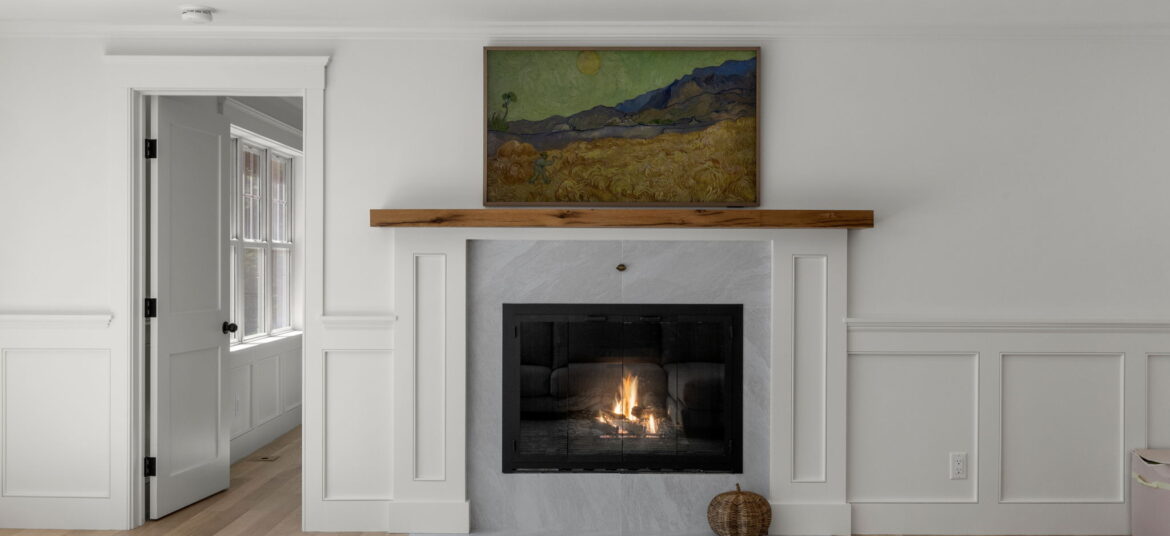
Winter reveals something different about a home.
With terraces quieter and gardens resting, attention turns inward. Fireplaces matter more. The warmth of natural materials becomes more noticeable. A beautifully framed view can be every bit as compelling in January as it is in July.
This is when an addition can create an entirely different kind of Cape Cod retreat.
Imagine an expanded kitchen with a comfortable fireside sitting area just beyond the main workspace—a place for morning coffee, reading, or settling into a chair while dinner is being prepared.
It gives the kitchen another dimension without asking the island to do everything.
Elsewhere in the home, a library or sitting room can provide a more intimate counterpoint to larger living spaces.
And then there is the primary suite.
An addition can create room for a bedroom with beautifully framed views, a sitting area beside a fireplace, a generous bath filled with natural light, a dressing room, or doors leading to a private terrace waiting for warmer weather.
Winter rooms also offer an opportunity to introduce richness through natural wood, stone, millwork, textiles, fireplaces, and layers of lighting. These elements feel especially welcoming during colder months yet remain equally beautiful when summer returns.
A Cape Cod home designed this way does more than carry its owners through winter.
It gives them a reason to look forward to it.
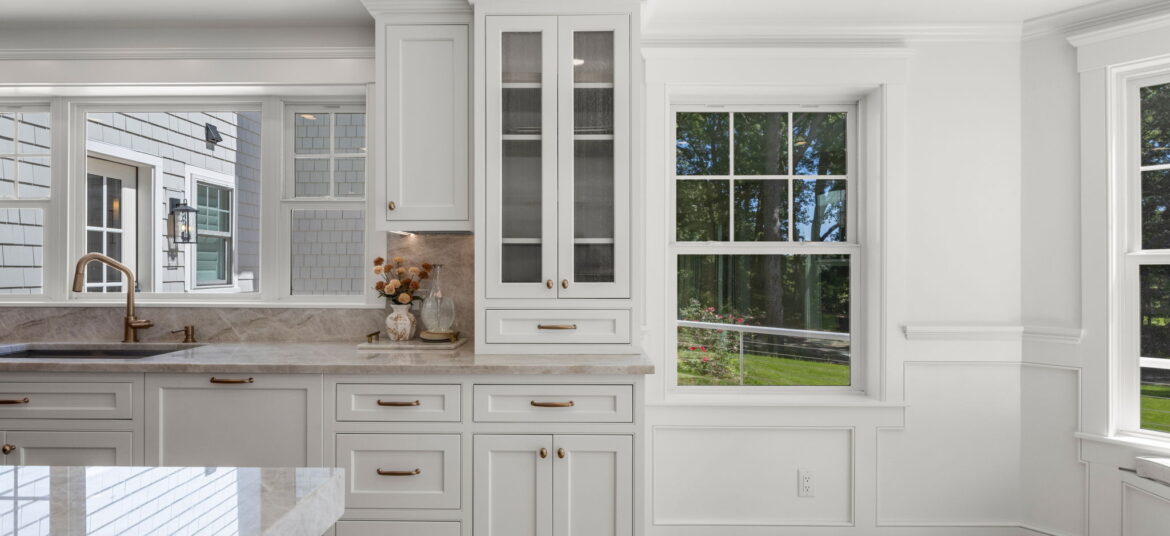
Then, almost imperceptibly at first, the house begins to change again.
The days stretch longer. Gardens reappear. Morning light arrives earlier, and rooms that felt wonderfully enclosed in January begin reaching toward the outdoors.
An addition provides an opportunity to capture that transformation.
Perhaps an existing kitchen expands toward the garden, allowing windows on several sides and creating room for a breakfast nook washed in morning light. A new sunroom becomes the first place in the house to feel like spring. A wall of doors connects an interior room to a terrace that will soon become part of everyday life again.
Carefully planned additions can also bring natural light deeper into adjoining rooms.
That makes window placement, ceiling height, interior openings, and sightlines every bit as important as the size of the addition itself.
The objective is not simply to attach a new room to an existing house.
It is to consider how the new architecture can make the entire home feel better.
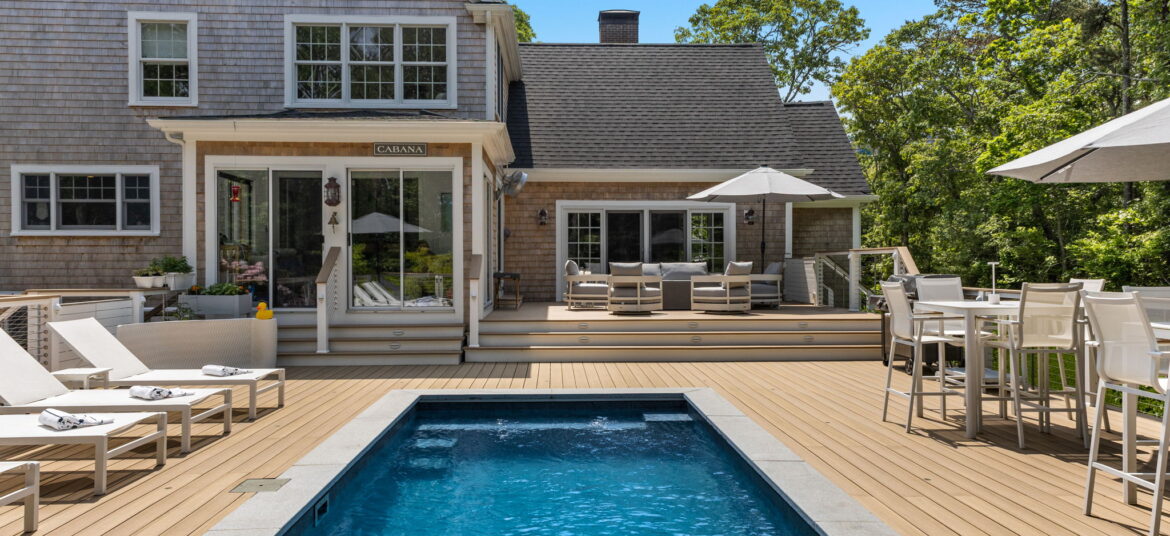
And then summer returns.
Doors open. Screened rooms come alive. Pools and terraces become extensions of the interior. Windows frame green landscapes again, and the distinction between inside and outside begins to soften.
Rooms designed for all four seasons simply reveal another side of themselves.
The fireside kitchen nook of January becomes the place for coffee before the rest of the house wakes. A four-season room opens toward the terrace. The primary suite becomes a quiet retreat when the house is full. A sitting room that felt intimate during winter becomes bright and breezy with its windows open.
An expanded kitchen can support the rhythm of summer beautifully as well, with generous preparation areas and easy connections to outdoor dining and living spaces.
The house does not need to reinvent itself when the calendar changes.
The best rooms seem to understand the season.
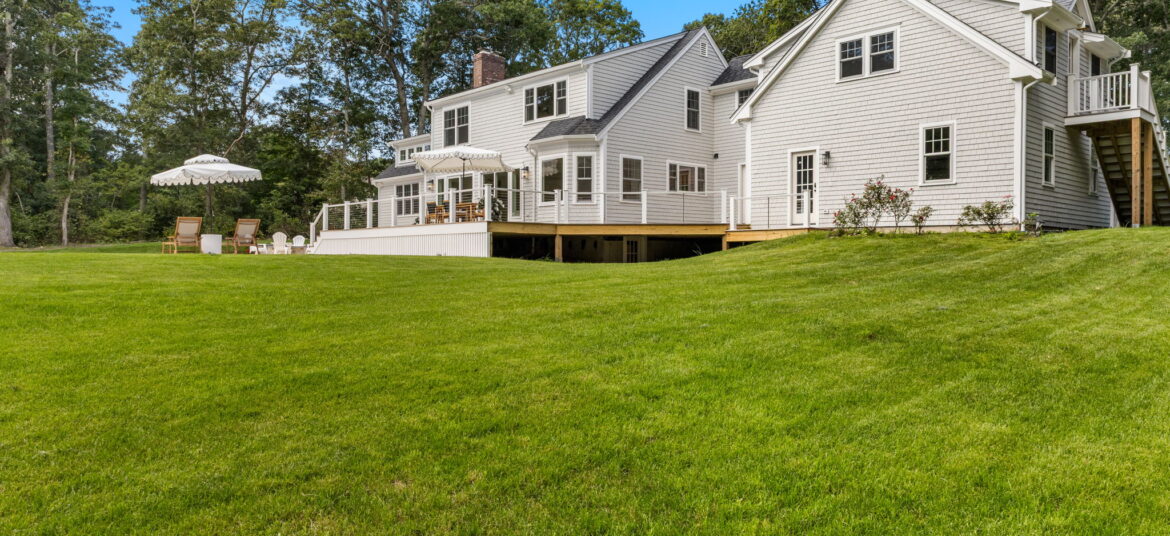
Creating spaces that feel this natural throughout the year begins with getting the architecture right.
A well-designed addition should feel as though it belongs to the home. That requires more than repeating an exterior material or matching a window style. Rooflines, proportions, ceiling heights, transitions, architectural details, and the scale of the original house all contribute to whether old and new feel unified.
This is especially important on Cape Cod, where homes often have strong architectural identities of their own.
An experienced design-build firm looks at the house as a whole before determining how and where it should expand. Sometimes that means continuing an established architectural language. In other cases, the best solution is a complementary addition that feels fresh while remaining respectful of the original home.
Either way, the finished house should tell one architectural story—one that feels just as natural on a quiet January morning as it does with the doors open in July.
Because the best additions do more than give a home another room.
They give you another reason to linger.
Considering an addition to your Cape Cod home? Click here to get started.
What should homeowners consider before planning a home addition on Cape Cod?
Consider how the addition will relate to the home’s existing architecture, seasonal light, landscape, views, circulation, and the way the new space will be used throughout the year.
Can a Cape Cod home addition be designed for year-round use?
Yes. Four-season rooms, expanded kitchens, primary suites, libraries, sitting rooms, and other additions can be planned around insulation, natural light, views, fireplaces, and strong indoor-outdoor connections for year-round enjoyment.
How can an addition feel original to an existing Cape Cod home?
Careful attention to rooflines, proportions, ceiling heights, windows, exterior materials, architectural details, and transitions between old and new can help an addition feel integrated with the original house.

Pav Construction, LLC is a family-owned, design-build firm specializing in luxury custom home construction, high-end home additions, and full-scale renovations throughout Cape Cod, Massachusetts.
Copyright © 2026 Pav Construction, LLC