
What happens when one new space changes the way the whole house lives?
At five o’clock on a summer Saturday, the kitchen has become the center of everything. Someone is setting out dinner. Friends are moving between the counter and the terrace. The youngest guests have found a place to play. Meanwhile, the living room—beautiful as it is—has barely been used. These are the moments that reveal how a house really lives.
The obvious response may be to add another room. But the more compelling possibility is that one new space could give several existing rooms entirely new roles. A well-conceived addition has a ripple effect: it changes what happens on either side of its walls.
For homeowners considering home additions on Cape Cod, it helps to begin with the places where life already gathers. Maybe everyone lingers in the kitchen long after the meal is finished. Maybe summer guests need somewhere to settle that feels like their own. Or perhaps the house has a wonderful garden but no comfortable place to enjoy it when the evening air turns cool.
Imagine a light-filled family room added beside the kitchen. The change is immediately larger than the new room itself. Conversation has somewhere to spread. The original living room becomes an inviting place for quieter moments. The kitchen can remain the heart of the home without having to do every job at once.
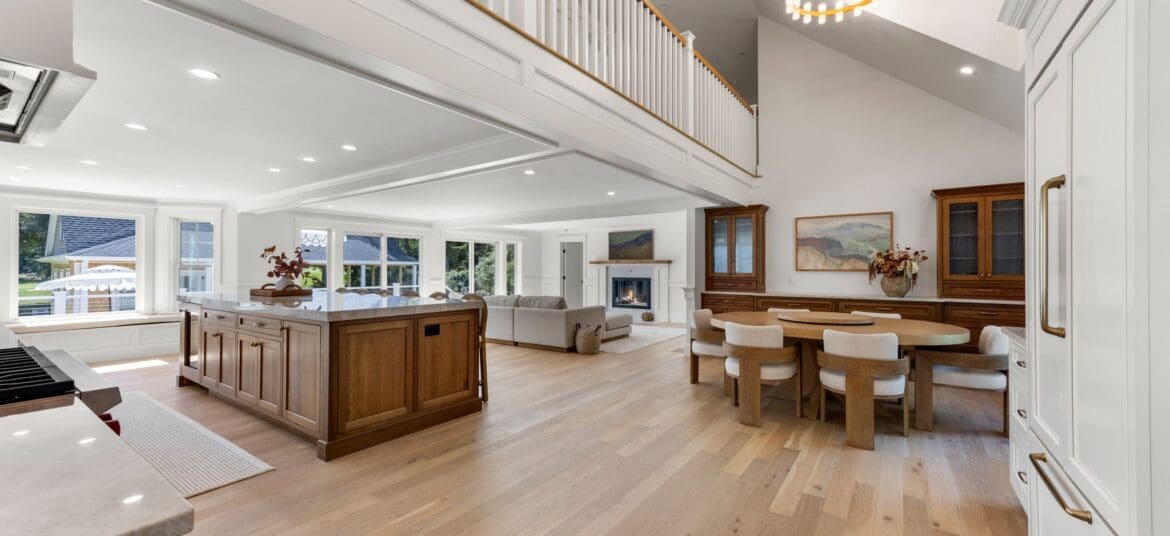
That is where an experienced design-build team can make a significant difference. The position of a doorway, the width of a passage, and the view that greets you as you enter the new room all influence whether the house feels naturally connected. Even a modest adjustment to how people move between spaces can make the original rooms more useful and more beautiful.
Then comes the architectural question: how does the addition become part of a house that already has its own character? On Cape Cod, familiar shingle textures, established rooflines, window proportions, and trim details often give a home its sense of place. The new work should carry that story forward with confidence, while allowing the architecture to evolve.
Continuity does not require imitation at every turn. It comes from understanding the proportions of the house, how new and existing ceiling heights meet, where daylight enters, and how the exterior relates to the landscape. When those relationships are resolved well, moving from the original house into the addition feels easy and natural.
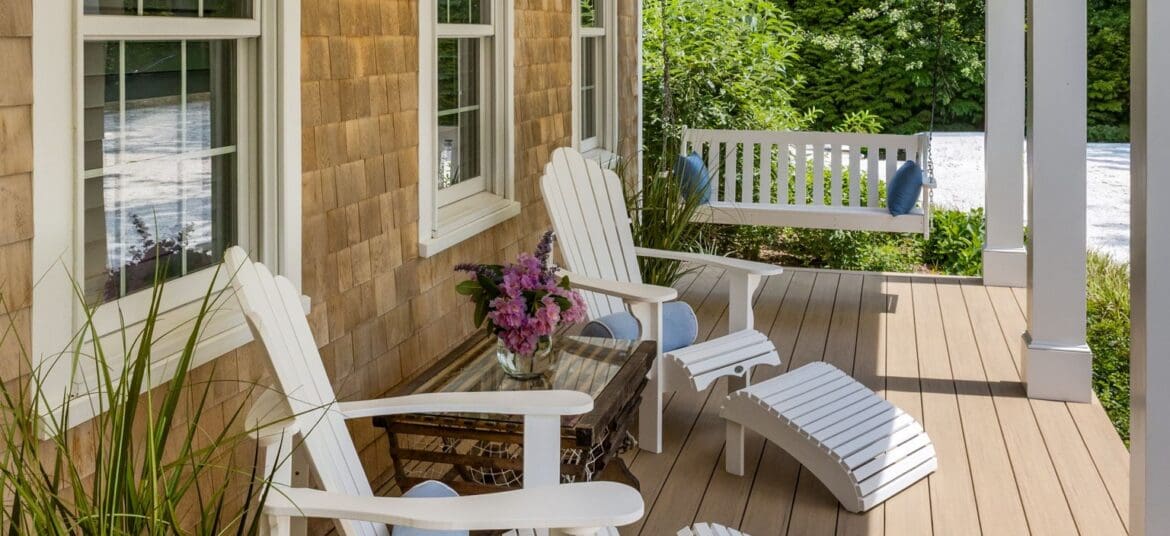
Sometimes the room that changes everything is scarcely enclosed at all. A covered porch or screened sitting room can become the place where mornings begin and summer evenings linger. Its success depends on more than the furniture arranged inside it. The route from the kitchen, the protection from wind and weather, and the views from the adjacent rooms all shape how often the space will be enjoyed.
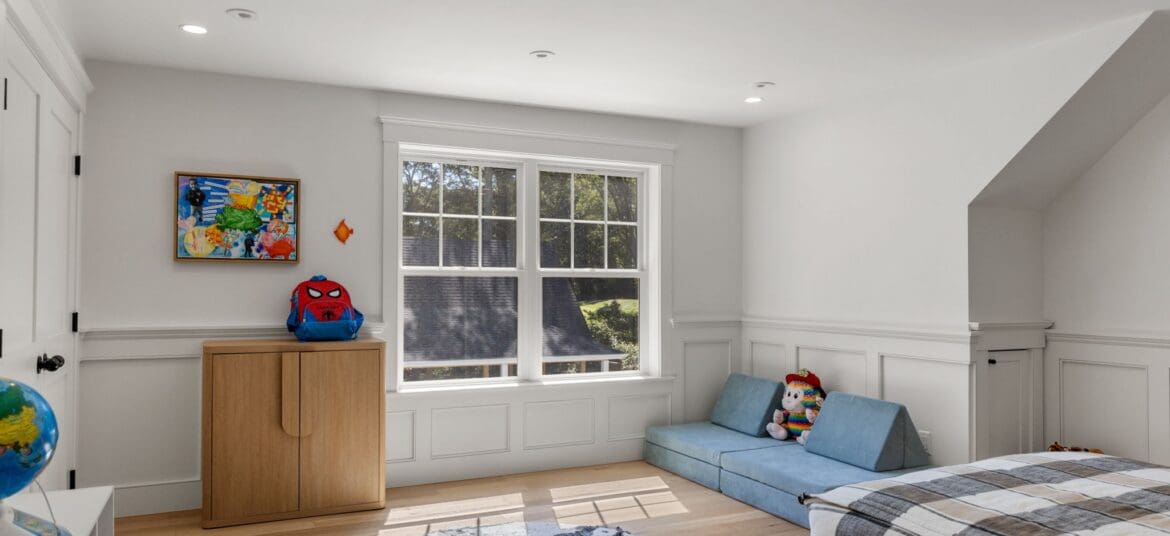
The same attention belongs to the quieter side of family life. A guest suite or flexible room can offer a welcome sense of privacy when the house is full and remain useful in the off-season. The best additions account for both rhythms: the lively weeks when everyone arrives and the peaceful days when the house belongs to just a few.
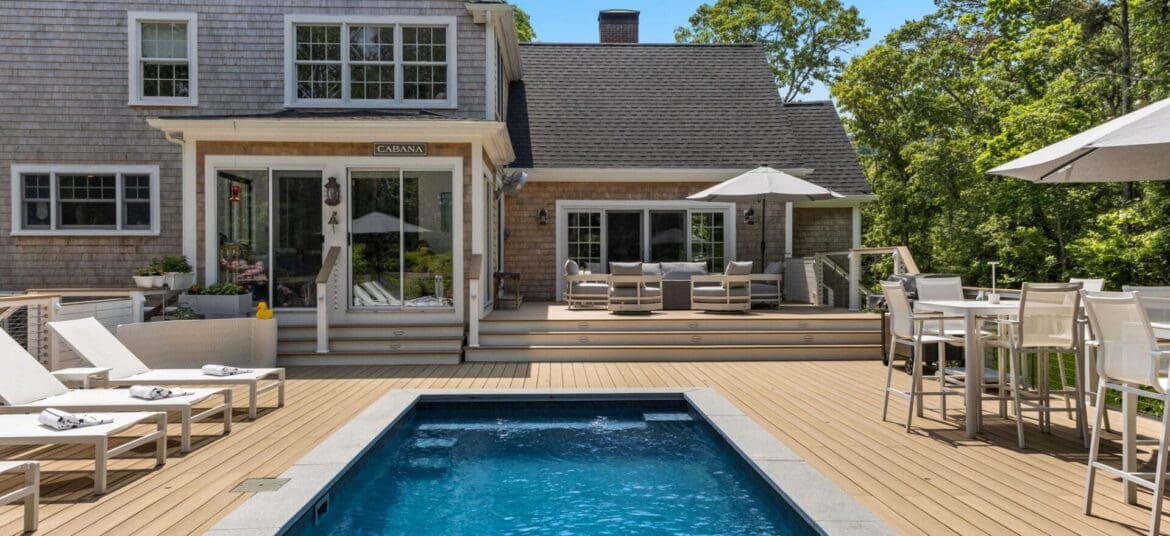
An addition also changes the property around it. A new wing may reshape the approach to the house, open a better route to the terrace, or bring the garden into view from rooms that once looked inward. Before settling on a design, it is worth considering what the existing windows will see, where afternoon shade will fall, and how the landscape can remain part of daily life.
Local conditions are part of that conversation. Setbacks, lot coverage, conservation considerations, and other town-specific requirements help determine what is possible on each Cape Cod property. Addressing them early allows the architectural vision to develop with a clear understanding of the site.
And then there is the reward of the whole plan working together: a kitchen that opens toward the outdoors, a terrace that feels like another living room, and places to gather or retreat without competing for the same corner of the house.
An exceptional addition has a footprint on a drawing, of course. But its real measure is found in the familiar home around it: in the ease of a gathering, the welcome offered to visitors, and the freedom to move from one lovely space to the next. The house is still the one you chose. It simply makes more room for the life you want to live there.
Considering a luxury custom home on Cape Cod? Connect with Pav Construction — click here to get started.

Pav Construction, LLC is a family-owned, design-build firm specializing in luxury custom home construction, high-end home additions, and full-scale renovations throughout Cape Cod, Massachusetts.
Copyright © 2026 Pav Construction, LLC